PPSDR publications
Why PPSDR supports Indigenous Pygmy communities and vulnerable people in the DRC
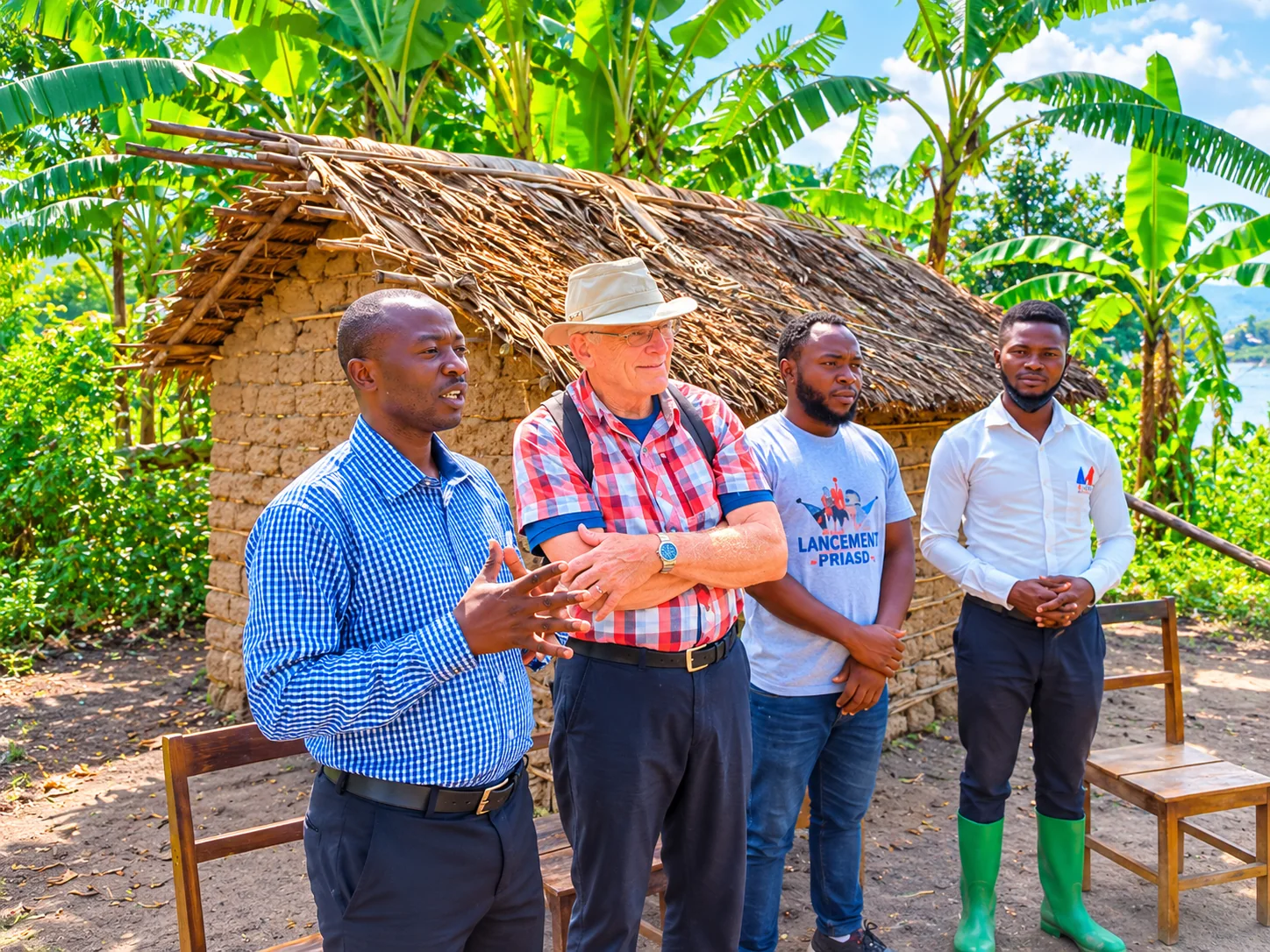
PPSDR acts because seeing one young Pygmy person thrive is enough to understand that they can become a pillar of their community, an agent of change and a source of hope. Our ambition is clear: to give beneficiaries the means to improve their living conditions, strengthen their skills, access economic opportunities and participate fully in social and community life. We seek lasting results based on local ownership, transparency and communities’ ability to continue activities independently. With this in mind, PPSDR seeks university scholarships to support an educated, skilled and committed generation able to strengthen its own communities. Since 2011, one simple belief has guided us: no community should be invisible to its own government. After advocating for citizenship rights for Pygmy communities in the DRC, we identified an even stronger lever: education. Educating one young person can help empower an entire people. PPSDR’s work is rooted in the lived realities of Indigenous Pygmy people and vulnerable communities in the DRC. Its founder, Hénoc Muhindo, now an Ashoka Fellow, understood early on that assistance alone is not enough. We need an approach that sustainably improves living conditions, restores dignity and enables beneficiaries to shape their own future. PPSDR was founded as a non-profit organisation based in Goma, with the clear aim of promoting the health and development of Indigenous Pygmy people and other vulnerable groups through socioeconomic inclusion and empowerment. Olivier’s story: It began with a PPSDR scholarship, from primary school through the state diploma. Then an unexpected door opened: Cornerstone Leadership Academy. A year of leadership training, learning English and computer skills, and travelling abroad transformed Olivier’s dream into something tangible. He learned a new language, used a computer for the first time and faced difficult days, but experienced a transformation that went far beyond a diploma. Olivier left Cornerstone with strong foundations in leadership and life skills, and with a clearer sense of what he could become. Today, he is looking ahead to public health studies so he can care for and serve his community on Idjwi Island. We are deeply grateful to Ashoka and Cornerstone Leadership Academy for making this chapter possible. Partnerships like these can turn one opportunity into a wider movement.